
Your Inspection

What to Expect From Start to Finish

Whether you’re buying a home, getting ready to sell, or just staying on top of routine maintenance, Inspection ACE Consulting brings reliable, high-quality service from the very first phone call. Our ASHI Certified and InterNACHI trained inspectors are focused on making your inspection thorough and genuinely educational, not just a box to check before closing.

We follow the Standards of Practice set by InterNACHI, a respected leader in the home inspection industry. During your inspection, we assess every major system and component in the home and flag anything that needs a closer look or immediate attention.

Once the walkthrough wraps up, we’ll go over the property’s overall condition with you and your real estate agent, explaining any significant findings in plain, everyday language. You’ll receive a detailed report in both HTML and PDF formats, complete with photos and clear descriptions of everything covered during the visit. That report doesn’t just give you a visual summary of the home; it puts you in a much stronger position to make confident, informed decisions.

Frequently Asked Questions

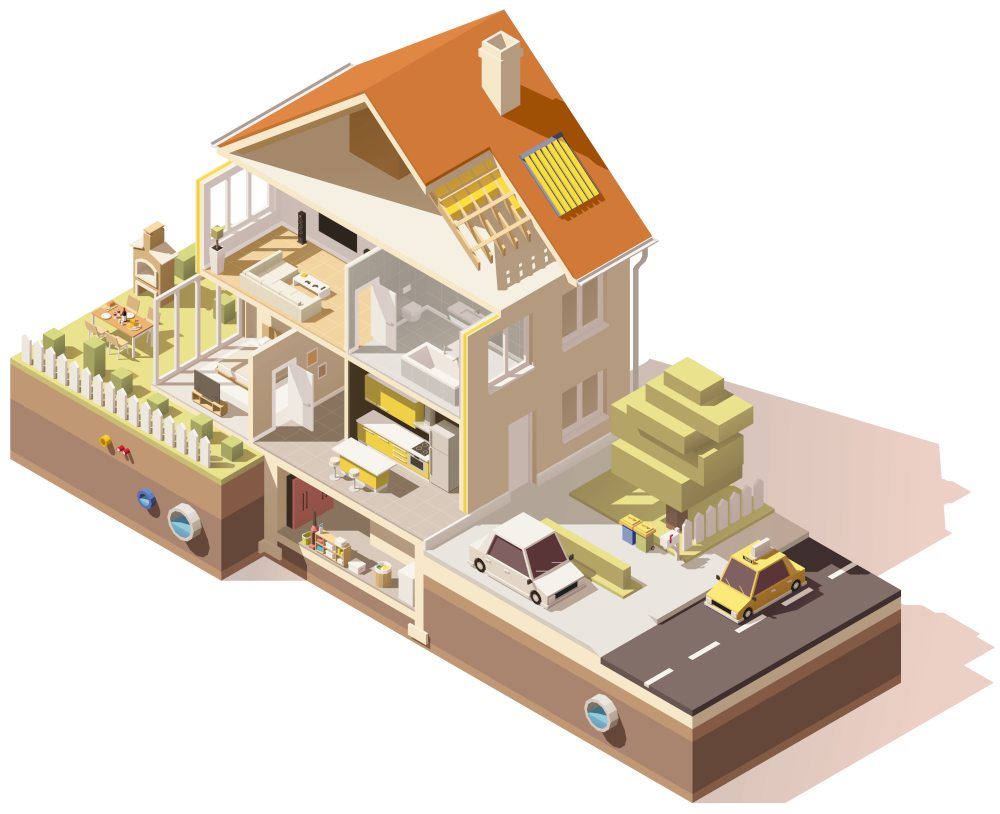
Your inspection covers structural elements like the foundation and roof, along with plumbing, electrical wiring, heating and cooling systems, insulation, windows, doors, and chimneys. Depending on the size of the property, most inspections take somewhere between two and three hours to complete.

Clear away clutter from areas that need to be accessed, including closets that lead to a crawlspace or attic, and make sure there’s some open space around the perimeter of the home. It also helps to confirm that built-in appliances, electrical panels, and gas connections are all reachable. If you won’t be attending in person, just make sure your inspector has a way into the home and that pets are secured elsewhere.

No home passes or fails. An inspection is really a thorough audit of the property’s current condition. You may see concerns noted throughout the report, but these are meant to inform your decision, not hand out a grade.

In many cases you’re legally allowed to skip it, but doing so means you could end up owning a property with major issues you had no idea existed until it was too late to negotiate.

Our inspectors may point out minor fixes worth making, but they don’t perform major repairs themselves. We’ll tell you what needs attention, and it’s genuinely useful information, but the choice of who does the work and when is entirely up to you. That separation keeps things fair and avoids any conflict of interest.

An inspection can influence an appraisal in a couple of ways. Sometimes it turns up problems that lower a home’s value, and other times it flags items that, once repaired, could actually raise the value. If issues do come up, the seller will need to decide whether to fix them directly or negotiate that cost with the buyer.

5 Benefits of a Home Inspection

Negotiations Leveraged

If issues turn up, buyers can use the findings to ask for repairs or a better price, while sellers who inspect ahead of listing can address problems early and stand firmly behind their asking price.

Ensures Your Safety

We flag the safety-related items first, things like electrical hazards, carbon monoxide concerns, mold, and structural red flags, so you know about the issues that matter most right away.

Prepares You For the Future

We'll point out components nearing the end of their useful life, like an aging HVAC system or water heater, so you can plan and budget instead of being caught off guard later.

Builds Trust Between Buyer and Seller

Sellers who get ahead of the process with a pre-listing inspection show buyers they have nothing to hide, which tends to lead to smoother negotiations and faster offers.

Grants Peace of Mind

Understanding a property's real condition, good or bad, means fewer surprises after closing and a lot more confidence in the decision you're making.

What's Included in a Home Inspection?

Roof

Roof coverings, gutters, downspouts, vents, flashing, skylights, chimney, roof penetrations and the general structure of the roof.
Attic, Insulation, Ventilation

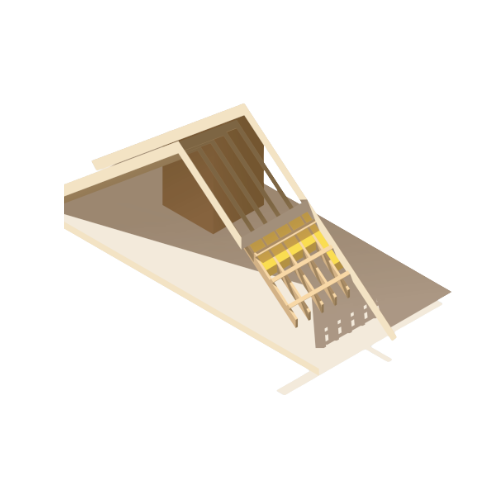
Insulation and ventilation of unfinished spaces, including attics, crawl spaces, foundation areas and exhaust systems.
Exterior

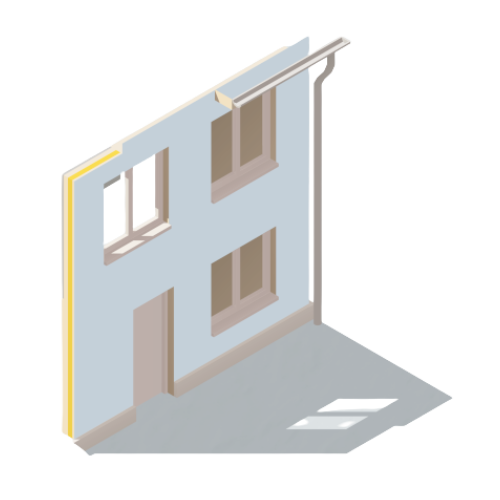
Siding, windows, exterior doors, flashing & trim, walkways, driveways, stairs, patios & decks, and drainage.
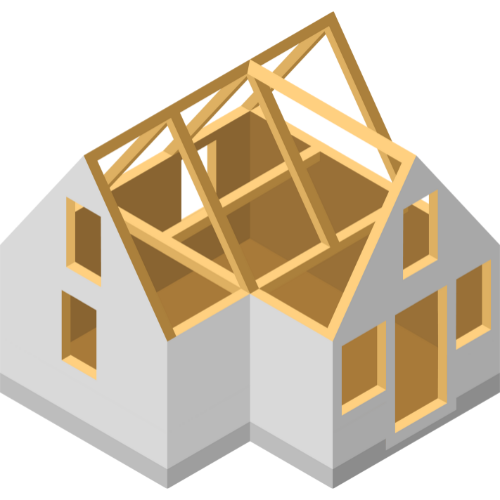
Basement, Foundation, Crawlspace, Structure

Foundation movement, cracks, structural concerns, and indication of water penetration.

Cooling

Cooling system, location of thermostat, energy source and cooling method.
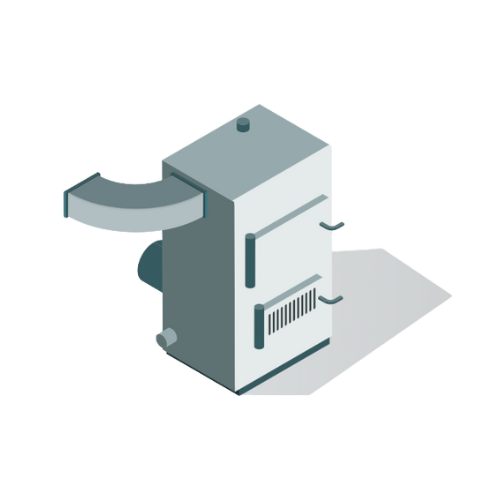
Heating

Heating system, location of thermostat, energy source and heating method.
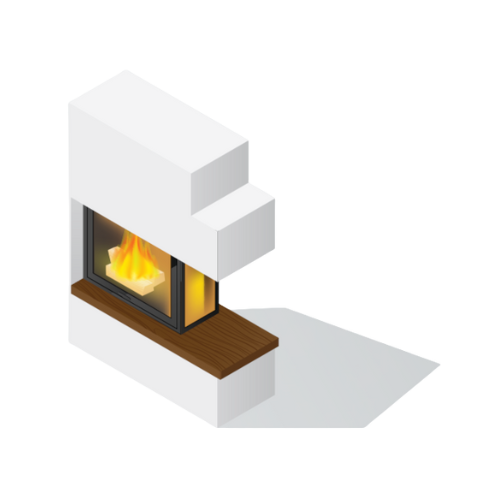
Fireplace

Visible portions of the fireplace & chimneys, lintels, damper doors, and cleanout doors & frames.
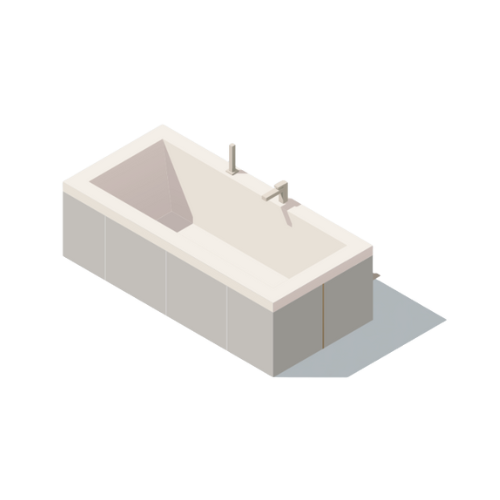
Plumbing

Main water & fuel supply shut-off valves, water heater, interior water supply, toilets, sinks, tubs, showers, drain, waste and vent systems.
Electrical

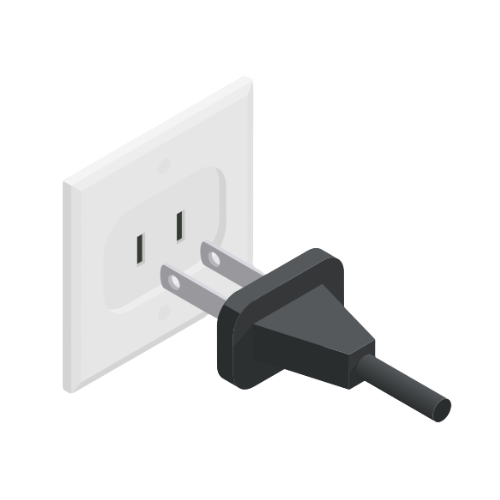
Service drop, overhead service conductors, service head & mast, main service disconnect, panelboards, grounding, switches, light fixtures, receptacles deemed to be AFCI & GFCI, and the presence of smoke alarms & carbon monoxide detectors.
Appliances

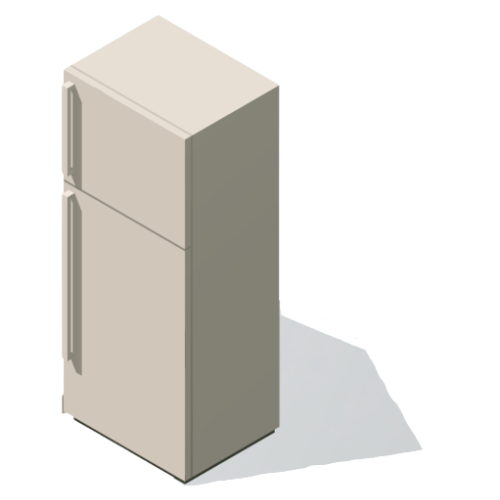
Dishwasher, disposal, range, oven, microwave, refrigerator, exhaust, bathroom heater, garage door, doorbell, and dryer vent
Pool

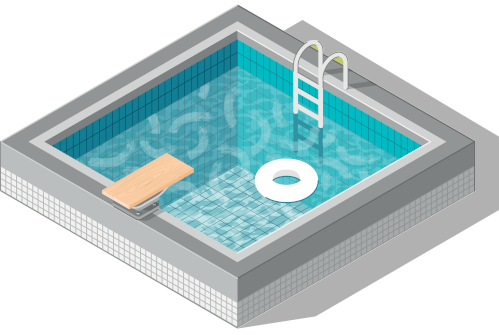
Circulation, heating, filtering, electrical, water chemistry, and possible safety issues.

Doors, Windows, Interior

Representative number of doors & windows, floors, walls, ceilings, stairs, railings, garage door and openers.

© Copyright 2026 Spectora Inc.

Find Out More About Us

About Us

Find out why we’re one of the most reliable home inspection companies in the DC Metro area.

Full Inspection Services

Take a look at all the services we’re proud to offer.

Sample Report

Take a look at what to expect from our clear, easy-to-read home inspection reports.